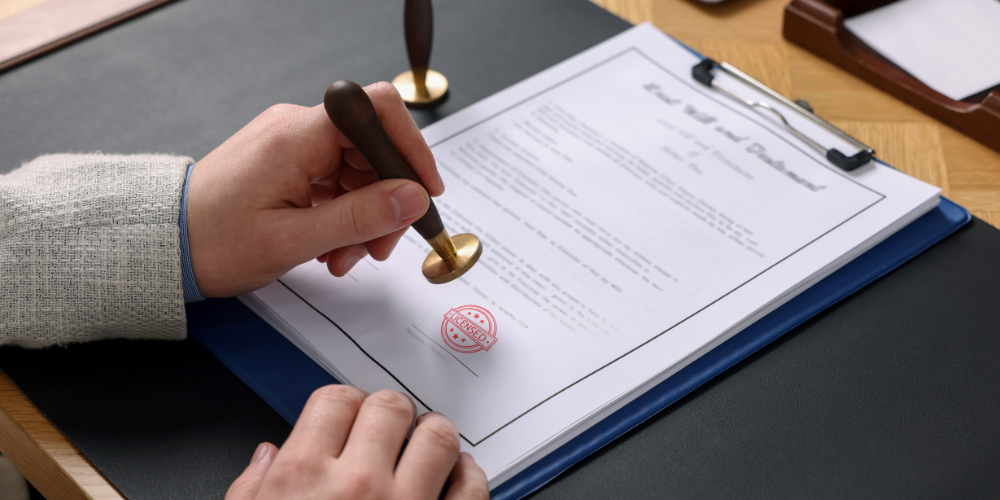
Let’s be honest for a second. Most people don’t think about translation until they’re in a bit of a jam. Maybe it’s a midnight realization that your birth certificate isn’t in English for a visa interview, or perhaps your business just hit a legal snag in a foreign market. Whatever the reason, the sudden scramble for document translation services is usually high-stress. You aren’t just looking for someone who “speaks the language.” You’re looking for someone who can vouch for your life’s most important paperwork.
The “Why” Behind the Certification
Why can’t you just use a translation app? Or your cousin who spent a year in Madrid? Because the law doesn’t trust “good intentions.” When you submit an official document translation, the receiving body (like the USCIS or a government ministry) needs a guarantee.
A certified document translation acts as a legal bridge. It’s a formal promise, signed and stamped, stating that the person who did the work is competent and that the translation is a mirror image of the original. Without this, your paperwork is just a piece of paper. With it, it’s a legal tool.
The High Stakes of Legal Document Translation for Court
When you enter a courtroom, language is everything. A poorly translated contract or a misinterpreted witness statement can sink a case before it even starts. Legal document translation for court is arguably the most demanding niche in the industry. It requires a translator who isn’t just a linguist, but someone who understands the “spirit of the law.”
In legal settings, terms don’t always have a direct 1-to-1 match. You need a partner who knows the difference between a “statute” and a “regulation” in both languages. This is where legal document translation becomes less of a clerical task and more of a specialized professional service.
How to Vet a Service Provider
When you’re searching for “translation near me,” don’t just click the first link. You need to look under the hood. Here is how a human expert evaluates a service:
- Subject Matter Authority: Does the agency have specific experience in your field? A medical translator shouldn’t be doing your legal document translation for court.
- Certification Credentials: Certification Credentials: Are they associated with the MTA – Malaysian Translators Association or any comparable international organization? Being part of such an organization is not just for show; it reflects adherence to professional standards.
- The Human Factor: In this age of robots and automated systems, make sure the agency employs human linguists for the finishing touches. Understanding the Process: From Upload to Delivery
The best document translation services today have trimmed the fat. The process should be simple:
- Step 1: Secure Upload. You send a clear scan of your document.
- Step 2: Analysis. A human project manager assigns the file to a translator who specializes in that specific dialect and industry.
- Step 3: Translation & Review. The work is done, then checked by a second linguist to catch any slips.
- Step 4: Certification. The final document is paired with the signed affidavit of accuracy.
Regional Nuances in Document Translation
Whether you’re in a tech hub or a small town, the requirements for Document Translation stay strict. However, local “near me” services often offer the advantage of notarization. If your document needs to be notarized, having a local office can save you a few days of mailing time. That said, most modern digital services can handle “e-notarization,” making the “near me” aspect more about convenience than necessity.
Common Pitfalls to Avoid
The biggest mistake? Waiting until the last minute. While many pros offer 24-hour turnarounds, a rushed Document Translation is more prone to clerical errors—like a misspelled name or a wrong date. Always give your translator breathing room. Another pitfall is trying to save a few dollars by using a non-certified service for official document translation. The cost of a rejected application is always higher than the cost of doing it right the first time.
Verdict
Your documents represent your hard work, your identity, and your legal rights. Treat them with the respect they deserve. By choosing high-quality document translation services, you aren’t just paying for words on a page; you’re paying for the peace of mind that comes with knowing your paperwork will be accepted, respected, and understood anywhere in the world.
Frequently Asked Questions
It must include a formal statement of accuracy signed by the translator, detailing their qualifications and the completeness of the work.
Yes, but you must specifically request legal document translation for court, as it often requires additional verification or notarization to be admissible.
Most reputable services charge a flat fee per page (usually $25-$45) or a per-word rate for longer, complex documents.
Professional document translation services use secure, encrypted portals and have their linguists sign strict non-disclosure agreements.
Generally, the translation is valid as long as the original document remains valid, though some agencies (like banks or specific courts) may ask for one dated within the last six months.